

Oregon Business Tax Mistakes That Can Trigger Penalties: Payroll, CAT, Estimated Taxes, and Bookkeeping Errors
Oregon business tax penalties are financial consequences imposed by the Oregon Department of Revenue when businesses fail to meet filing, payment, or reporting obligations under state law. Catching these mistakes early can save a business thousands of dollars and prevent compounding interest charges.
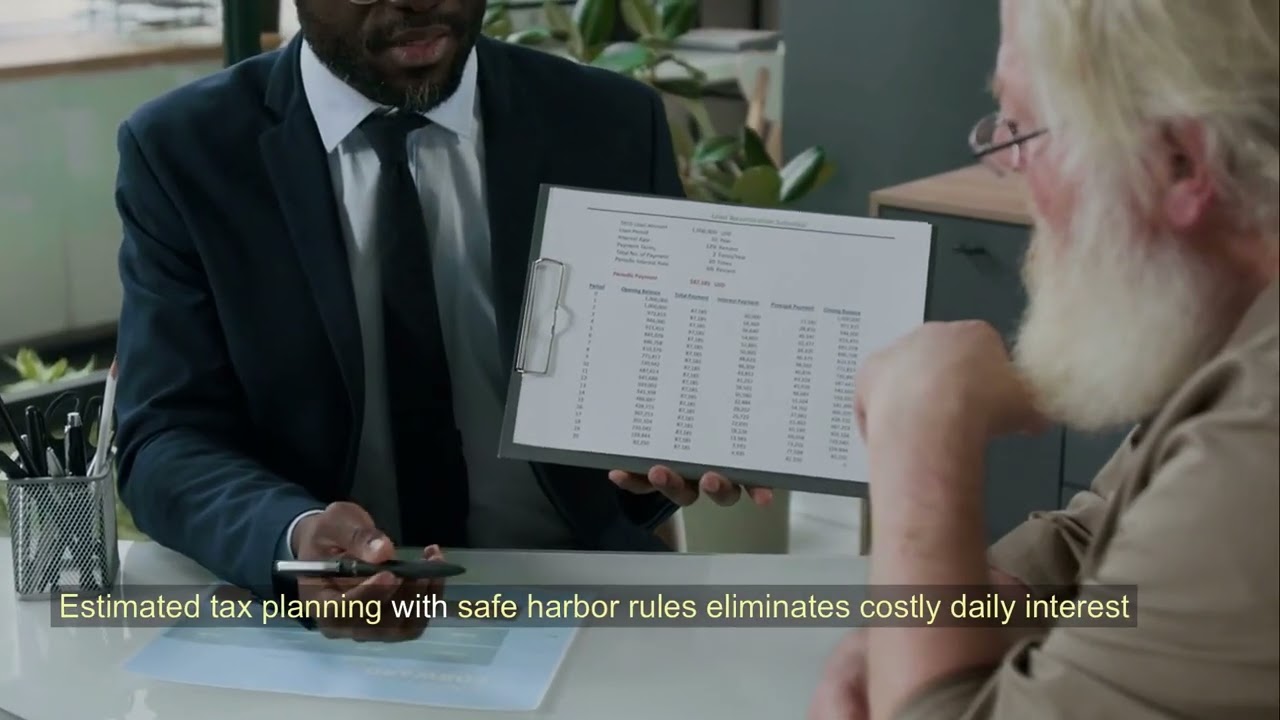
This guide focuses specifically on the most common Oregon tax compliance errors that small business owners, freelancers, and employers make – and exactly how to fix them before the Oregon DOR comes knocking.
Oregon Business Tax Compliance Definition: The process of accurately calculating, reporting, and remitting all required state taxes – including payroll withholding, Corporate Activity Tax, and quarterly estimated payments – according to Oregon Department of Revenue deadlines and rules.
The most common mistake we see with Oregon small businesses is treating tax obligations as an afterthought. They focus on revenue, operations, and growth – then scramble when a penalty notice arrives. Having worked with businesses across the Beaverton area, the pattern is consistent: small bookkeeping gaps become big compliance problems over time.

Payroll Tax Mistakes Oregon Employers Make Most Often
Payroll is where Oregon businesses get hit hardest. Oregon requires employers to withhold state income tax, contribute to Statewide Transit Tax (STT), and handle Paid Leave Oregon contributions. Missing any one of these creates layered penalties.
Misclassifying workers as independent contractors: If someone works regular hours, uses your tools, and follows your schedule, the Oregon DOR may reclassify them as an employee – triggering back taxes, penalties, and interest.
Statewide Transit Tax errors: Oregon’s STT rate is 0.15% of wages. It applies to all wages paid to Oregon residents regardless of where the work occurs. Many employers skip this entirely on remote workers.
Late payroll deposits: Oregon requires quarterly payroll tax returns via the Oregon Combined Payroll Tax Report. Filing late triggers a 5% penalty per month, up to 25% of the amount due. According to the Oregon Department of Revenue, payroll penalties are among the most frequently assessed for small businesses.
- Late or missing payroll deposits
- Incorrect worker classification
- Failing to include Paid Leave Oregon contributions
- Not filing Oregon Form OQ when required
Thinking about this for your situation? Let’s talk. Contact us and we’ll walk you through your payroll obligations – no pressure.
Oregon Corporate Activity Tax: What Still Trips Businesses Up in 2026
Corporate Activity Tax (CAT) definition: Oregon’s CAT is a business privilege tax assessed on taxable commercial activity – essentially gross receipts minus allowable deductions – at a rate of 0.57% on activity exceeding $1 million annually.
The CAT became applicable to tax years beginning January 1, 2020, and has been in enforcement since that time. Many small businesses still miscalculate the threshold. The $1 million applies to Oregon-sourced commercial activity, not just net profit. That distinction matters.
The biggest CAT mistakes Oregon businesses make:
- Missing the quarterly filing deadline: CAT estimated payments are due on a quarterly basis throughout the year. A missed installment triggers underpayment penalties.
- Miscalculating the subtraction: Oregon allows a 35% subtraction for labor costs or cost of goods sold – whichever is greater. Many owners calculate this wrong and overpay or underpay.
- Not registering at all: If your gross Oregon receipts exceed $750,000, you must register for CAT even if you don’t yet owe tax. Skipping registration is itself a violation.
Estimated Tax Underpayment: Oregon’s Most Overlooked Penalty Trigger
Oregon requires individuals and pass-through entity owners to pay estimated taxes quarterly if they expect to owe $1,000 or more for the year. Miss a payment, and the penalty is calculated daily using the current underpayment interest rate.
Recent data shows that estimated tax underpayment is one of the top three reasons Oregon small business owners receive penalty notices – yet it’s also the most preventable.
Safe harbor rule (2026): You can avoid underpayment penalties by paying at least 100% of your prior year’s tax liability (or 110% if your prior-year adjusted gross income exceeded $150,000). Many owners simply don’t know this applies at the state level, not just federal.
Oregon quarterly estimated tax due dates for 2026 are April 15, June 15, September 15, and January 15.
- April 15, 2026 (Q1)
- June 15, 2026 (Q2)
- September 15, 2026 (Q3)
- January 15, 2027 (Q4)
DIY Bookkeeping vs. Professional Bookkeeping: Which Approach Works?
Where DIY bookkeeping succeeds: Low cost, immediate access to your own records, suitable for very simple sole proprietors with minimal transactions.
Where DIY bookkeeping fails: Misclassified expenses reduce deductions incorrectly, reconciliation errors go unnoticed, and tax prep at year-end becomes chaotic. These errors compound into audit triggers.
Where professional bookkeeping succeeds: Accurate categorization, clean financial statements, real-time reporting, and preparation that aligns with Oregon DOR requirements and IRS standards.
Where professional bookkeeping fails: Higher ongoing cost, and it requires trust in your provider’s system and communication.
The verdict: For Oregon businesses with growing complexity or payroll responsibilities, professional bookkeeping supports accurate compliance by preventing the penalties and missed deductions that DIY approaches routinely cause. The math is straightforward.
| Tax Mistake | Typical Oregon Penalty | Avoidable? |
|---|---|---|
| Late payroll filing | 5% per month, up to 25% | Yes |
| CAT non-registration | $100 to $10,000+ | Yes |
| Estimated tax underpayment | Daily interest on unpaid amount | Yes |
| Misclassified workers | Back taxes + penalties + interest | Yes |
| Bookkeeping errors leading to wrong filings | Varies – 20%+ accuracy penalty | Yes |
See how our approach compares – explore our services to understand how we handle Oregon compliance for small businesses.
Your Oregon Tax Compliance Action Plan
- Step 1 – Audit your worker classifications: Review every contractor relationship against Oregon’s worker classification rules. Reclassify proactively before the DOR does it for you.
- Step 2 – Verify CAT registration status: If your Oregon gross receipts are approaching $750,000, register now. The registration threshold is lower than the payment threshold (2026).
- Step 3 – Set estimated tax calendar reminders: Map all four quarterly due dates for 2026 and 2027. Pay based on safe harbor calculations to avoid daily penalty accrual.
- Step 4 – Reconcile books monthly: Monthly reconciliation catches errors before they become annual tax return problems. Don’t wait until Q4.
- Step 5 – Review payroll reports quarterly: Confirm Oregon Form OQ filings are accurate and submitted on time every quarter.
- ☐ Confirm CAT registration status with Oregon DOR
- ☐ Review worker classification for all 1099 contractors
- ☐ Calculate 2026 quarterly estimated tax amounts
- ☐ Set payment reminders for all four 2026 due dates
- ☐ Reconcile bookkeeping through the current month
- ☐ Review prior-year payroll filings for accuracy
Key Takeaways for Oregon Business Owners in 2026
- Payroll penalties compound fast – Oregon charges 5% per month on late filings, reaching 25% quickly
- CAT applies to gross receipts, not profit – even modest-revenue businesses can cross the $1 million threshold
- The safe harbor rule prevents estimated tax penalties – pay 100% of prior-year liability to stay protected
- Bookkeeping errors drive audit risk – clean books are your first line of defense
- Early correction matters – the Oregon DOR does consider voluntary disclosure in penalty assessments
Frequently Asked Questions
What is the penalty for filing Oregon payroll taxes late?
Oregon charges a 5% penalty per month on late payroll tax filings, up to a maximum of 25% of the amount owed. Interest also accrues daily on unpaid balances. Filing even one day late can trigger the first monthly penalty, so timing matters.
Does Oregon’s Corporate Activity Tax apply to small businesses?
The CAT applies to Oregon businesses with taxable commercial activity above $1 million annually, but registration is required at $750,000 in gross receipts (2026). Businesses below the payment threshold still have registration obligations they often overlook.
How do Oregon estimated tax penalties work?
Oregon calculates underpayment penalties using a daily interest rate applied to the amount you should have paid each quarter. Using the safe harbor rule – paying at least 100% of last year’s Oregon tax liability – eliminates this penalty entirely.
What bookkeeping errors most commonly trigger Oregon tax issues?
Misclassified business expenses, unreconciled bank accounts, and unreported income are the top bookkeeping errors that lead to inaccurate Oregon tax filings. These errors often result in underpayment penalties or accuracy-related penalties during an audit.
How does Oregon’s Paid Leave contribution affect payroll taxes?
Employers with 25 or more employees must contribute to Paid Leave Oregon, with a combined employer-employee rate set annually by the state. Failing to withhold or remit these contributions triggers penalties similar to standard payroll tax violations.
Can Oregon penalize a business for incorrect worker classification?
Yes – Oregon can assess back payroll taxes, penalties, and interest if it determines that workers classified as contractors should have been employees. The liability can reach several years of unpaid withholding, making correct classification critical from day one.
How is Oregon’s CAT different from a corporate income tax?
Oregon’s CAT is based on commercial activity (gross receipts minus an allowable subtraction), not net income or profit. A business can owe CAT even in a year it loses money, which surprises many first-time filers. The Oregon Department of Revenue CAT guidance outlines current rates and thresholds.
What This Means for Your Business Right Now
Oregon tax compliance isn’t optional, and the penalties for getting it wrong add up fast. The businesses that stay out of trouble in 2026 are the ones that treat payroll accuracy, CAT registration, estimated payments, and clean bookkeeping as ongoing priorities – not year-end problems.
At Perpetual CPA LLP, we work with business owners in Beaverton, OR and throughout the Portland metro area to stay ahead of exactly these issues. Ready to get your Oregon tax compliance in order? Contact us today – let’s look at where your business stands before a penalty notice does it for you.
